

Can discounting be... tasteful?
How I think about BFCM as a premium brand — and why the execution matters more than the percentage off.


If you work in a consumer brand, you know there’s one debate that rolls around every year like clockwork: To discount, or not to discount. It sounds straightforward, but it’s truly a loaded debate. It’s not just a sale… it’s about identity. Positioning. Trust.
The unspoken agreement between you and your customer that says: “We make thoughtful, high-quality product — and we stand behind its value.”
When you discount, you’re not just lowering a price. You’re changing what your customer believes about your brand.
Why discounting is such a loaded decision
Let’s be honest — most discounting doesn’t happen because a brand is dying to offer a deal. A few of the potential factors:
Customers expect it (especially during BFCM)
Inventory needs to move
Converting new customers who have been on the fence due to price
Forecasting is complicated
Capital is tight
Competitors are discounting
The practical part of running a brand sometimes requires a promotion. It just does. But the emotional part (the part that cares about positioning and perception) struggles with it.
Here’s why:
Once you introduce regular sales or predictable markdown windows, you train your customer to wait. And once they wait, you run the risk of their perceived value changing.
So the question isn’t “should we discount or not?”
The real question is: “Can we discount without compromising who we are?”
My belief: yes — if you do it with intention.
The brands who do it well make the promotion feel premium
Here’s the biggest thing I’ve learned as both a founder and a consumer: Discounting isn’t the problem. Discounting poorly is.
In my opinion, brands like GANNI, STAUD, Simon Miller — they’ve cracked the code.
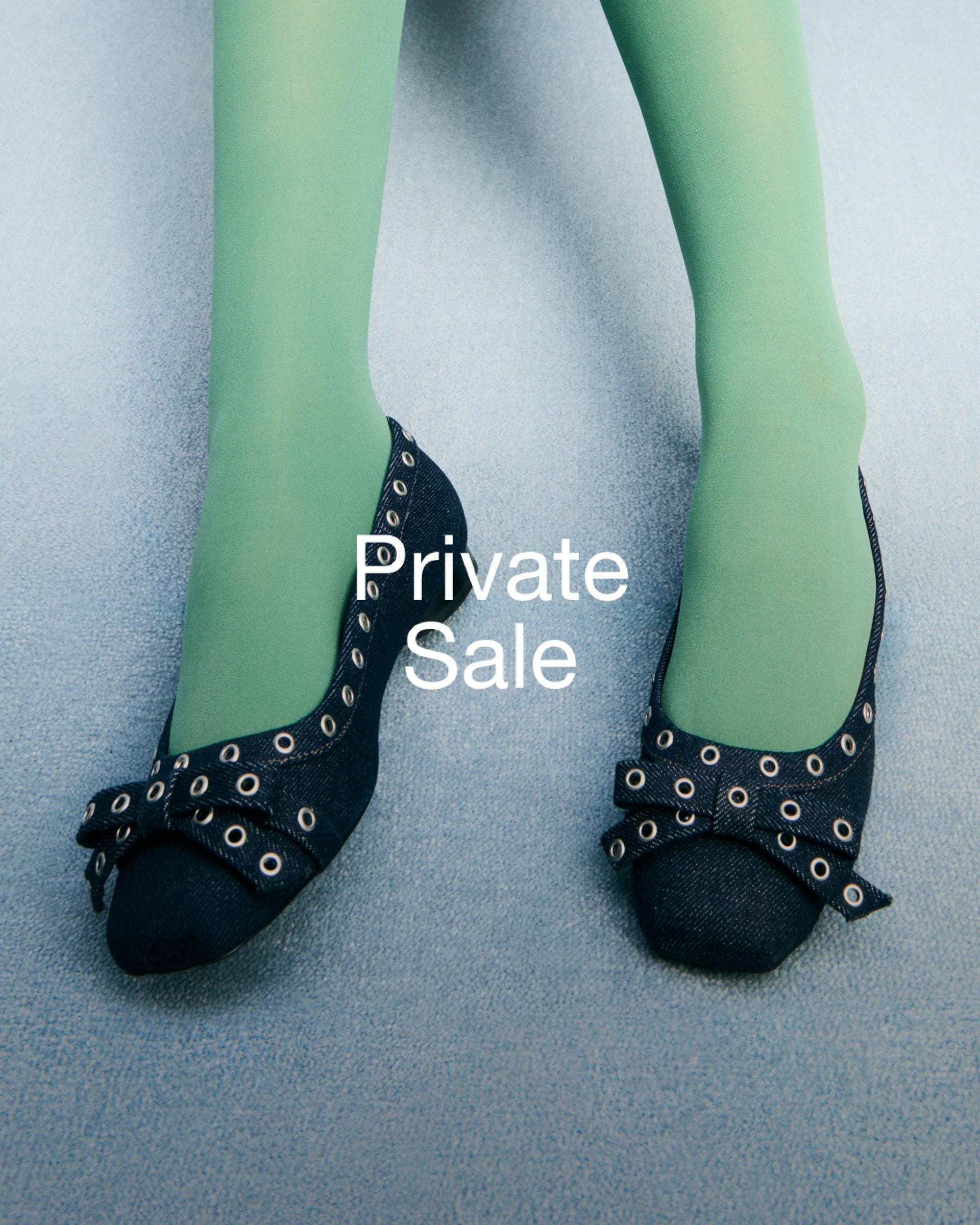
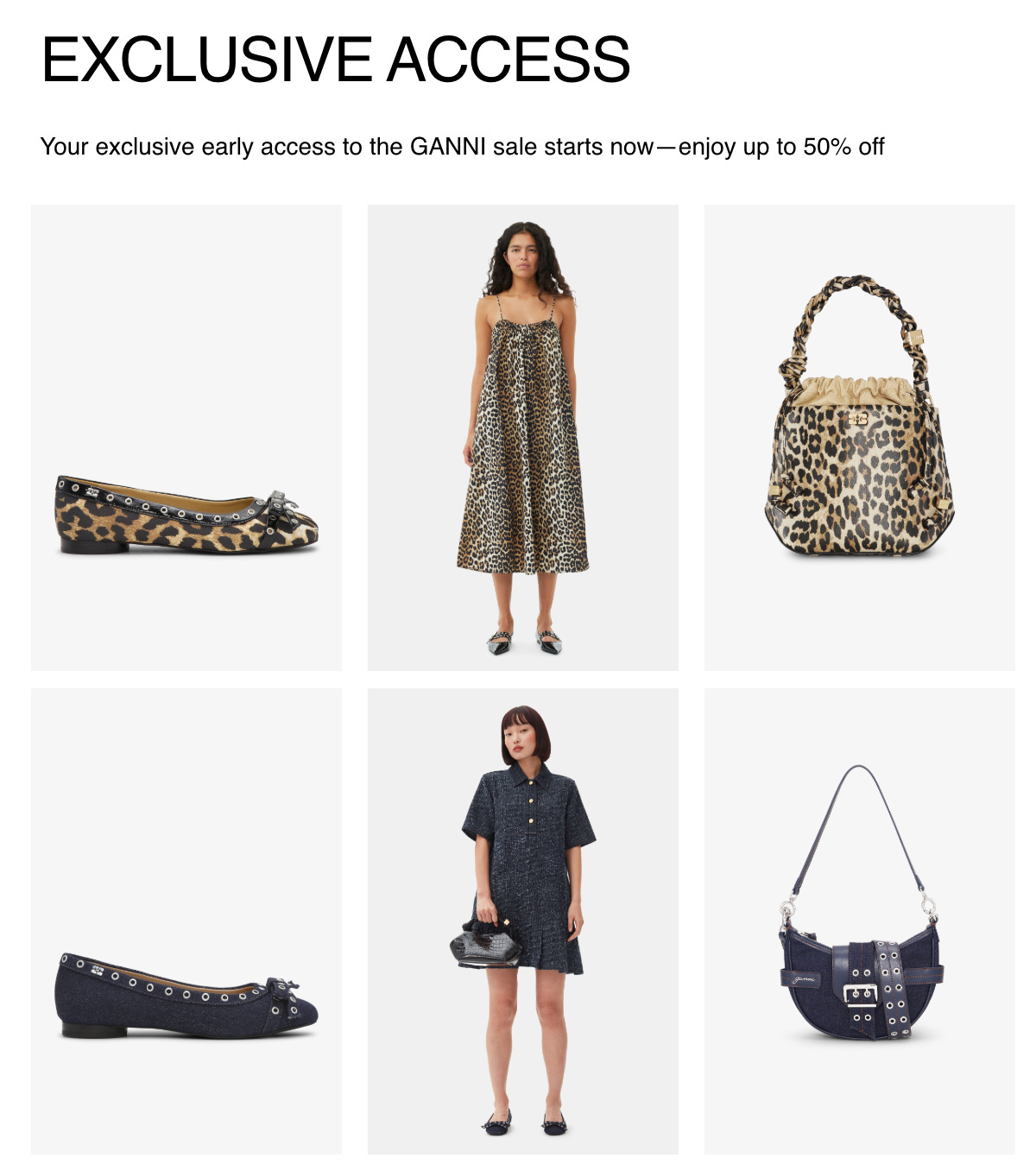
GANNI: the blueprint for premium discounting
GANNI runs sales. But they don’t just call them a
sale”. Enter the Archive Sale and Private Sale.
Neither is especially “archival” or “private” (as a die-hard customer, I can confirm). It’s just a regular end-of-season markdown — exactly like every other brand.
But the spin is genius.
The branding is beautiful
The creative feels intentional
The experience feels “for the GANNI girl”
The language gives customers insider access
The whole thing feels elevated, not clearance-y
They took a basic sale and turned it into a moment you want to participate in.
STAUD + Simon Miller: the sample-sale masters
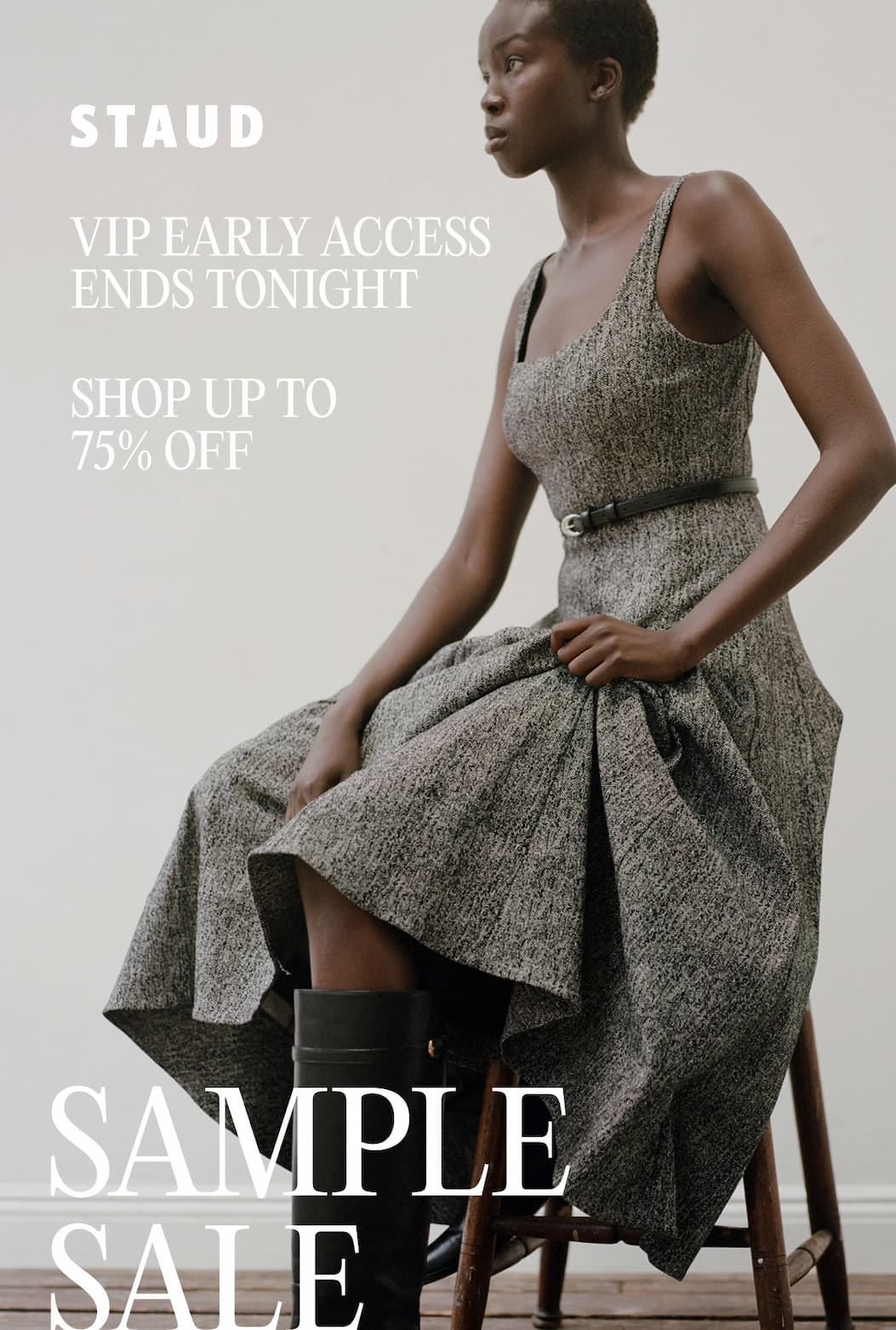
Both brands do sample sales that feel premium, curated, and highly intentional — not chaotic free-for-alls.
VIP early access
Time-boxed windows
New drops throughout the week
Clear, elevated branding
A feeling of exclusivity, not liquidation
It works because it feels like part of their world — not like they’re clearing a warehouse.

Our BFCM strategy — and why it works
Since today is Black Friday, let’s talk about how we do it.
At Halfdays, we run a sitewide BFCM sale for about a week, with a 24-hour early access window for our email + SMS list.
Here’s what’s proven true every single year:
The majority our BFCM customers are new to the brand
Many are people who’ve been watching for months, but full-price may be out of reach
Our repeat purchase rate is high — so converting them once benefits us long term
The sale is less about clearing inventory and more about widening the top of our funnel
BFCM becomes a gateway, not a race to the bottom. But one of the main reasons it works, in my opinion, is because of one thing: we treat our BFCM like a campaign, not a clearance event.
The branding is thoughtful, the tone is on-brand, the visuals feel like Halfdays at its best, nothing feels frantic, flashy, or off-voice.
If you want to maintain a premium brand, the execution matters far more than the discount.
So, can discounting be done tastefully?
Yes. But only if you protect the perception you’ve worked so hard to build. Here’s what I’d tell any early-stage founder:
1. If you’re going to discount, do it on your terms.
Not because you panicked. Not because you saw your competitor do it. Not because “it’s what brands do during BFCM.”
2. Your creative matters more than your percentage.
If your sale looks sloppy, desperate, or off-brand, customers notice. Brand dilution rarely happens in one moment — it happens in dozens of tiny off-voice decisions.
3. Think long-term, not just week-of revenue.
Is this discount bringing you the right customer? Is it widening your community? Is it aligned with who you’re building for? Those are the better questions.
4. Make the experience feel intentional, thoughtful, premium.
Even if it’s “just a discount,” it’s still a brand moment. Treat it like one.
Discounting isn’t the enemy. Inconsistency is.
The brands who win long-term are the ones who know how to balance margin with meaning, revenue with resonance, and customer excitement with brand integrity. If you can hold that tension, a sale can be absolutely be an accelerant, not a liability.
Over & Out,
— ari
PS — If you’re navigating your own pricing or promo strategy, I’m always happy to talk through what’s worked (and what absolutely hasn’t). You can book time with me here.
Another great post! I think about the perception piece, too, with brands that seem to always be running sales. As a consumer, it makes me wonder what’s driving it: is demand softer than expected, is pricing misaligned, or is the brand intentionally anchoring around a “perpetual deal” model? It says a lot about the overall strategy either way.